


GUIDE & TIPS —
How To Care For
Your Jaw Harp
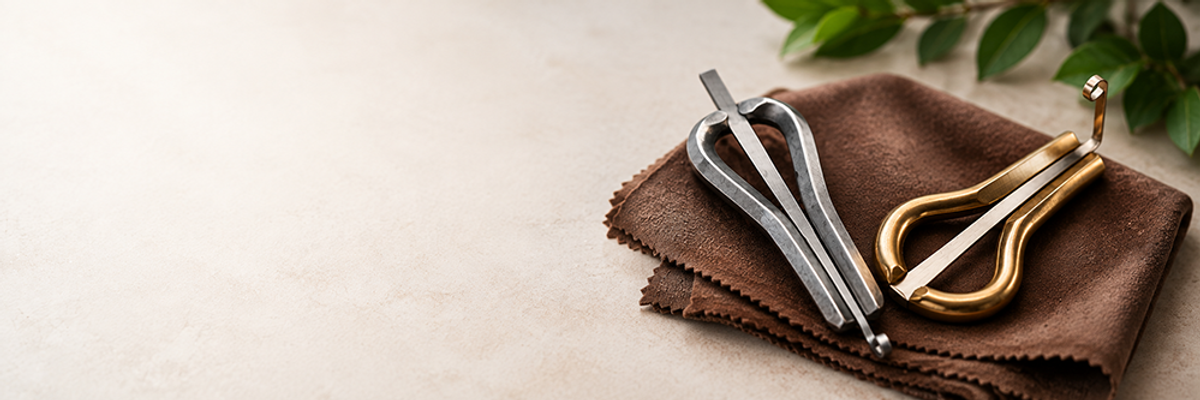
Proper jaw harp care and maintenance are essential for preserving your instrument's sound quality, performance, and longevity.
Whether you're a beginner or an experienced player, learning how to clean, maintain, & store your jaw harp correctly can help prevent rust, corrosion, moisture damage, and unnecessary wear.


Don't Drop
Jaw harps are made from strong material, but they are also precision instruments. Dropping a jaw harp onto a hard surface can bend the frame, misalign the reed, or damage the delicate balance that allows the instrument to perform correctly. Always handle your jaw harp carefully & avoid placing it where it could easily fall.

Don't Squeeze
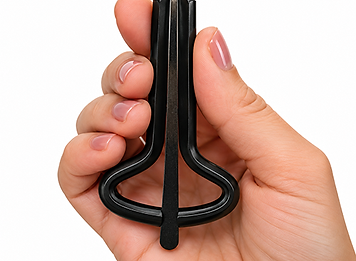
The frame of a jaw harp must remain perfectly aligned for the reed to move freely between the two arms. If the arms & frame is squeezed or compressed, even slightly, the reed may begin striking the sides of the frame. This can cause unwanted buzzing, reduce the clarity of the tone, or completely prevent the reed from moving correctly.


Don't Bend
The reed (also called the tongue) is the part of the jaw harp that vibrates to create sound. It is carefully shaped to produce a specific pitch & response. Bending the reed aggressively can permanently alter its tension, pitch, and vibration pattern.

Don't Scratch
Scratching may seem cosmetic, but they can damage protective finishes & expose the metal underneath. This can make the jaw harp more vulnerable to corrosion over time. Handle your jaw harp with clean hands & avoid contact with rough or abrasive surfaces.


Don't Place the Jaw Harp
Trigger-Facing Down Hard Surfaces
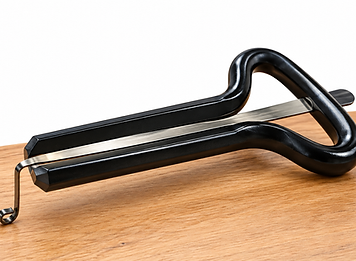
The trigger (sometimes called the arm) is a sensitive part of the instrument. If the jaw harp is placed on a hard surface with the trigger facing downward, the trigger can easily bend or become misaligned. Whenever you place your jaw harp down, place it with the frame resting on the surface with the trigger facing up to ensure it's properly protected and not under pressure.

Store Properly
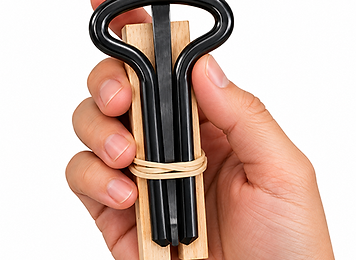
When the jaw harp is not in use, store it in a protective case or pouch. This prevents accidents, accidental bending, scraping, or exposure to moisture. It is also important to keep the instrument away from pets & young children who may unintentionally damage it. A proper storage case helps maintain the harp's condition & keeps it safe during travel.
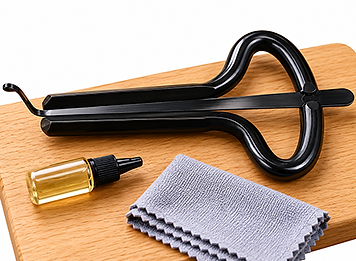

Oil Your Jaw Harp
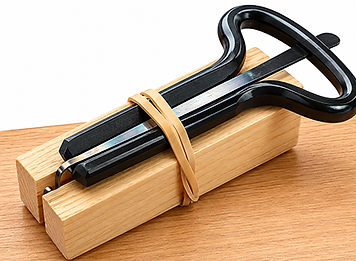
Because some jaw harps are made from metal, they can develop rust if exposed to moisture over time. Applying a very small amount of coconut oil occasionally can help protect the metal & keep the reed moving smoothly. Simply apply a tiny dot to the frame/reed/arms & wipe off any excess with a soft microfiber cloth. This helps maintain the instruments longevity & prevents corrosion.

Treat With Care
A jaw harp is a small instrument, but it is built with precision & craftsmanship. When treated with respect and proper care, it can last for many years while maintaining its tone and responsiveness. Taking a few simple precautions will protect the instrument and ensure that it continues to produce beautiful sound every time you play.
Ready to choose
your first jaw harp?
Explore our collection of jaw harps
including beginner jaw harps, bass models, and more handmade instruments from makers around the world!
Subscribe to get exclusive Jaw Harp News
Join our email list and get access to specials deals exclusive to our subscribers.